Christian Easter Cutting Board PNG
A Designer’s First Glance: Warm, Nostalgic, and Kitchen-Ready
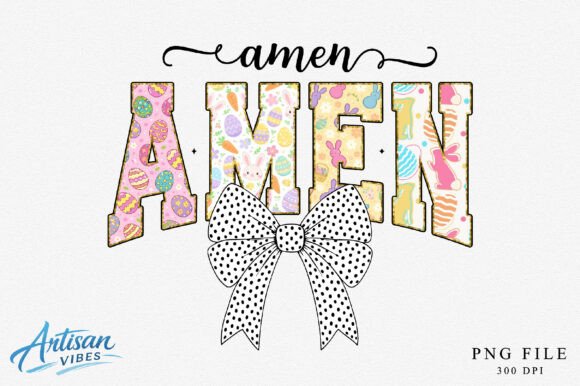
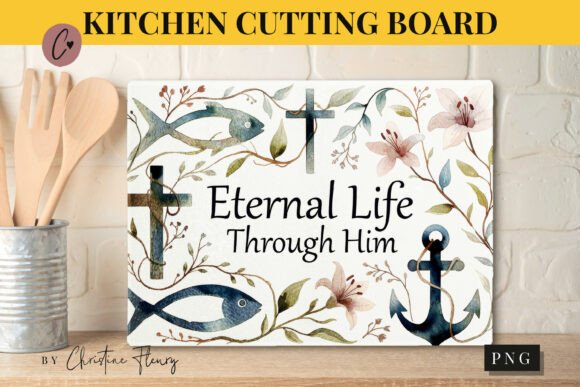
Opening Christian Easter Cutting Board PNG feels like flipping through a well-loved craft journal—soft-edged but intentional, reverent without being stiff. It’s not a bold proclamation or a minimalist icon; it’s a gentle, cohesive scene: a stylized wooden cutting board centered with Easter motifs—lilies, a cross, maybe a subtle lamb or egg motif—arranged with breathing room and quiet balance. The layout leans into horizontal symmetry, which immediately signals “kitchen towel” or “apron front,” not chest pocket or cap brim. As a designer who’s stitched hundreds of holiday pieces for small shops and Etsy sellers, I appreciate how this design avoids visual clutter while still carrying clear meaning. It doesn’t shout “Easter!”—it invites quiet recognition. That makes it ideal for boutique merchandise, personalized gifts, or handmade products where subtlety builds trust.
Where It Shines in Real Embroidery Projects
I recently tested Christian Easter Cutting Board PNG as the focal embroidery on a linen tea towel for a local kitchen boutique—and it landed beautifully. The proportions held up at 4.5" wide (hoop size: 5x7"), the stitch density was moderate (no dense fill-stitch swamp), and the satin-stitched lily stems retained crispness without puckering. It worked equally well on a heavyweight cotton apron and a lightweight organic baby onesie—though on the onesie, I swapped to a lighter stabilizer and reduced underlay. For custom apparel, think sweatshirt cuffs, tote bag flaps, or pillow covers where the design reads clearly from across a room. As an embroidery file, it translates cleanly into applique design too: the central board shape is a natural foundation for fabric-layered texture.
Small business owners will find Christian Easter Cutting Board PNG especially valuable for seasonal product lines that feel handmade—not mass-produced. It’s the kind of design customers photograph and tag on Instagram because it looks intentional, not clip-art. I’ve seen similar motifs fall flat on dark fabric when contrast isn’t considered, but this one has inherent tonal separation—the board’s warm wood tone reads even in grayscale mockups, so thread color choices (ivory, taupe, soft sage) stay flexible. That versatility matters for Etsy sellers juggling multiple fabric backgrounds and printable mockups.
Where to Proceed With Care
This isn’t a “stitch-and-forget” embroidery file—and that’s a good thing. Its charm lives in detail: delicate cross linework, subtle grain texture on the board, fine stem outlines. Those elements demand attention on stretchy fabric (like knits), thin fabrics (baby muslin), or curved surfaces (caps or curved tote handles). On a baseball cap, I’d simplify the stems or omit the smallest flourishes—otherwise, running stitch definition blurs. Tiny lettering isn’t present here, but if your version includes script (“He Is Risen” or similar), test it at actual size: anything under 6mm tall risks stitching loss on textured fabrics or after washing.
Dense fill areas—like the board’s surface—can trap moisture if over-stabilized, so I recommend tear-away + light cutaway combo for towels and aprons. And while it’s lovely on dark fabric, avoid black thread on black fabric unless you’re adding metallic or variegated thread for lift. For commercial embroidery, always confirm whether the license permits finished-product resale—many crafters assume “PNG” means unlimited use, but digital embroidery files often carry specific terms, especially for holiday-themed design assets.
Practical Notes Every Embroidery Designer Should Run Through
- Test first on scrap fabric—especially if using textured weaves or blends common in kitchen textiles.
- Check thread color contrast in natural light—not just on screen. What reads softly on monitor may vanish on oatmeal linen.
- Review stitch density before scaling up: tighter fills hold better on stable fabrics, but can distort lightweight ones.
- Confirm hoop size compatibility before digitizing or purchasing—if your machine maxes out at 4x4", this design likely needs resizing or cropping.
- Inspect small details at actual stitch size: zoom in on stems, cross edges, and board grain in your embroidery software.
- Test in black-and-white mockups to gauge silhouette strength—this design holds up well, but always verify.
- Compare light/dark fabric backgrounds using real swatches, not just digital previews.
- Use proper stabilizer: medium-weight cutaway for towels, lightweight tear-away for baby items.
- Confirm licensing before selling finished embroidered patches, tote bags, or digital embroidery files derived from it.
Why This Design Builds Customer Trust—Not Just Holiday Traffic
In my work with craft businesses, I’ve watched customers scroll past flashy Easter graphics and pause on pieces that feel *made*, not manufactured. Christian Easter Cutting Board PNG supports that handmade presentation. It doesn’t compete with the product—it enhances it. A linen pillow cover with this embroidery feels like a curated gift, not a seasonal afterthought. For Etsy sellers, that translates to better reviews (“so thoughtful,” “perfect for our Easter brunch table”) and repeat buyers who associate your shop with warmth and intention.
It also fits seamlessly into broader brand consistency—think a small shop offering Easter, Thanksgiving, and Christmas kitchen textiles all sharing the same restrained, artisanal visual language. No jarring style shifts. And because it’s rooted in Crafts—not generic clip art—it carries authenticity. Customers sense that. They don’t buy a holiday motif; they buy a feeling of care, continuity, and quiet faith expressed through craft.
Final Thought: A Design That Earns Its Place
Christian Easter Cutting Board PNG isn’t flashy. It won’t dominate a trade show booth—but it will earn its place on a grandmother’s kitchen counter, a new parent’s nursery shelf, or a boutique’s best-selling tea towel bundle. As a designer, I reach for it when I want embroidery that serves the product, not the other way around. It’s practical, respectful of fabric and stitch, and quietly confident in its purpose. If you’re curating embroidery files for real projects—not just collections—this one belongs in your working library.